

The catering landscape has undergone a profound transformation. The days when event catering meant a choice between dry banquet chicken, overcooked prime rib, and a standard side of mashed potatoes are long gone. Today, catering functions as a central entertainment element, an emotional connector, and a direct reflection of an event host’s values.
Modern event attendees arrive with elevated palates, complex dietary requirements, and high expectations for presentation. Whether coordinating a high-stakes corporate conference, an intimate rustic wedding, or an upscale non-profit gala, hosts recognize that food service sets the tone for the entire gathering. From multisensory culinary theatre to eco-conscious operational models, contemporary catering marries creative artistry with rigorous logistics to create unforgettable dining experiences.
Interactive Food Stations and Culinary Storytelling
Static buffets and rigid sit-down meals are steadily giving way to interactive dining experiences. Modern planners want guests to move, mingle, and engage with the culinary process rather than remain pinned to a designated table for hours.
Immersive Live-Action Chef Stations
Action stations transform food preparation into live performance art:
-
Open-Flame and Live Carving: Chefs searing prime cuts on wood-fired planchas, carving whole smoked fish, or torching individual portions of sushi add theatrical scent, sound, and visual appeal to the venue floor.
-
Customization on Demand: Guests appreciate building their own dishes to suit their exact tastes. Build-your-own street taco displays, customized handmade pasta tossing stations, and fresh poke bowl bars give attendees complete control over ingredients and portions.
-
Liquid Nitrogen and Molecular Touches: Tableside instant ice creams, aromatic herb smoke infusions under glass cloches, and flash-frozen dessert garnishes infuse cutting-edge gastronomy into celebration spaces.
Micro-Portions and Roving Hors d’oeuvres
Large, heavy dinner plates often slow down evening momentum and encourage lethargy among attendees. Planners increasingly opt for extensive, multi-course cocktail-style receptions driven by roving micro-plates:
-
Spoon and Pipette Presentations: Single-bite culinary treats served on ceramic spoons, accompanied by flavor-infusing pipettes or nested in bamboo boats, provide high-flavor impact with zero mess.
-
Dim Sum Cart Service: Mobile carts circulating through banquet halls deliver steaming dumplings, sliders, and tapas directly to standing clusters of guests, eliminating queue lines entirely.
-
Continuous Grazing: Staggering small-plate service over several hours keeps energy levels vibrant and lets attendees sample a vast array of global cuisines without feeling weighed down.
Plant-Forward Menus and Inclusive Dietary Design
Accommodating dietary restrictions was once treated as an inconvenient afterthought, resulting in plain steamed vegetables or unseasoned salads for guests with specific needs. In modern catering, inclusive hospitality has taken center stage.
Elevating Vegan, Vegetarian, and Gluten-Free Fare
Chefs now treat plant-based cuisine with the same culinary ambition traditionally reserved for animal proteins:
-
Vegetable-Centric Main Courses: Instead of relying on processed imitation meat patties, culinary teams craft luxurious centerpieces using roasted king oyster mushrooms, smoked cauliflower steaks with chimichurri, and slow-braised root vegetables.
-
Gluten-Free Innovation: Ancient grains such as quinoa, farro, sorghum, and millet provide hearty, complex carbohydrates that naturally accommodate celiac and gluten-sensitive diners without sacrificing texture.
-
Dedicated Allergen Segregation: Leading caterers design separate prep zones and clearly labeled serving platters to prevent cross-contact with common allergens like peanuts, tree nuts, dairy, soy, and shellfish.
The Universal Menu Approach
Rather than preparing multiple completely different menus for various guest demographics, forward-thinking caterers design universal foundations. Menus are structured with allergen-friendly, plant-forward base components, allowing guests to add artisanal cheeses, sustainably raised seafood, or grass-fed meats as optional enhancements. This streamlines kitchen execution while ensuring every attendee feels valued and well-fed.
Hyper-Local Sourcing and Seasonality
Sustainability is no longer a corporate buzzword; it is a baseline expectation among modern event hosts. Guests want to know the narrative behind the ingredients on their plates: where the food was grown, who cultivated it, and how far it traveled to reach the table.
Farm-to-Table Partnerships
Catering menus are increasingly dictated by regional seasonal calendars:
-
Regional Micro-Farms: Caterers partner directly with local growers, apiaries, and artisanal dairies, highlighting farm names directly on printed menu cards and interactive digital displays.
-
Peak Seasonality: Designing menus around what naturally ripens during the week of the event ensures peak flavor, bright natural color, and maximum nutritional density.
-
Heritage Grains and Heirloom Produce: Showcasing rare, regionally adapted heirloom tomatoes, purple potatoes, and stone-ground heritage flours introduces diners to nuanced flavors while supporting agricultural biodiversity.
Closed-Loop and Zero-Waste Kitchens
Environmental responsibility extends to back-of-house culinary operations:
-
Nose-to-Tail and Root-to-Stem Cooking: Creative culinary teams utilize vegetable trimmings to brew concentrated stocks, turn herb stems into vibrant oils, and repurpose fruit rinds into cocktail syrups and dessert garnishes.
-
Biodegradable Ware and Clean Composting: Traditional plastic wraps and single-use plates are replaced by pressed palm leaf dinnerware, bamboo cutlery, and compostable service vessels.
-
Food Recovery Networks: Unserved, temperature-controlled surplus dishes are coordinated with regional food banks and shelters through verified food donation partnerships, preventing safe food from reaching local landfills.
The Mindful Beverage Movement and Craft Mixology
The beverage program at a contemporary event commands as much creative consideration as the main course. As more people embrace sober, sober-curious, or wellness-oriented lifestyles, beverage menus are evolving beyond basic sodas and standard well drinks.
Sophisticated Non-Alcoholic Cocktails
Modern mocktails are no longer sugary mixtures of fruit punch and ginger ale:
-
Distilled Botanical Spirits: Zero-proof distilled spirits infused with juniper, cardamom, citrus peel, and wood aromatics mimic the complex bitterness and depth of classic gin and whiskey.
-
Functional Additions: Beverages infused with adaptogenic mushrooms, herbal extracts, and digestive shrub vinegars offer wellness benefits alongside refreshing flavors.
-
Artisanal Ice and Handcrafted Syrups: Clear hand-carved ice cubes, edible flower petals, smoked rosemary sprigs, and house-made peppercorn syrups elevate zero-proof drinks into premium handcrafted concoctions.
Regional Craft Pairings and Low-ABV Offerings
For events serving alcohol, the focus has shifted toward quality, narrative, and moderation:
-
Hyper-Local Breweries and Distilleries: Featuring small-batch regional craft beers, natural biodynamic wines, and localized craft whiskeys adds a distinctive sense of place to the celebration.
-
Low-ABV Libations: Spritzers, vermouth-based aperitifs, and sparkling wine cocktails provide celebratory fizz and refreshing flavors without overwhelming guests with high alcohol levels early in the program.
Artisanal Grazing Tables and Communal Dining
The visual impact of food is central to its enjoyment. Social media has accelerated the demand for breathtaking presentations that double as decorative centerpieces.
-
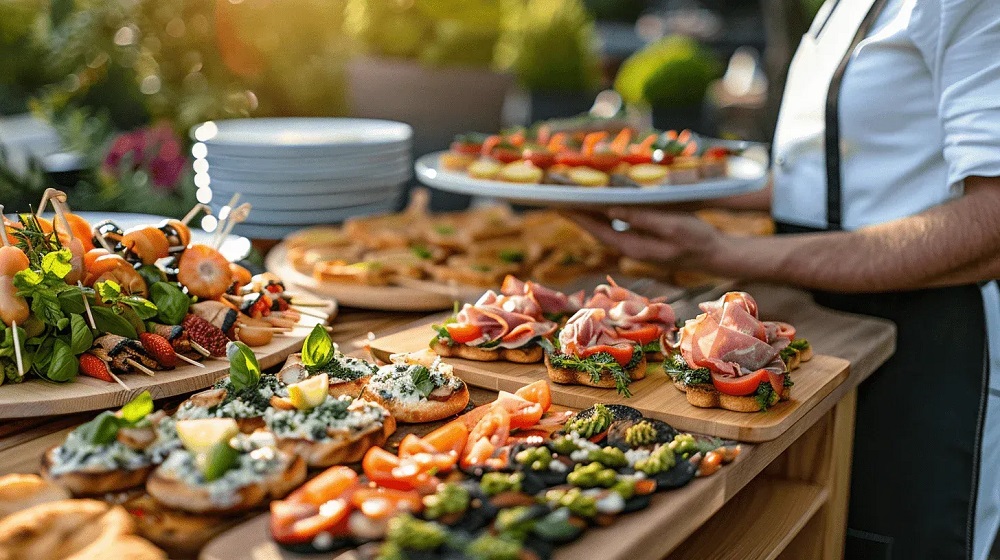
Elaborate Grazing Landscapes: Lavish grazing tables filled with imported cured meats, wheels of honeycomb, dried figs, pickled vegetables, and artisanal crackers offer a relaxed, communal atmosphere during cocktail hours.
-
Bespoke Styling Accents: Modern caterers employ rustic wood risers, polished marble slabs, raw linen cloths, and abundant greenery runners to blend dining displays seamlessly with event decor themes.
-
Family-Style Seated Service: Long banquet tables featuring large, shared platters passed from guest to guest foster intimate conversation and camaraderie, bridging the gap between casual comfort and refined elegance.
Catering has evolved into a strategic discipline that shapes human connection, sets energy levels, and reinforces event values. By embracing dynamic interactive stations, inclusive plant-forward designs, regional sourcing, and mindful beverage craft, planners and hosts can create dining experiences that linger in the memories of guests long after the final plates are cleared.
Frequently Asked Questions
What is the recommended ratio of passed hors d’oeuvres to stationary displays for a cocktail reception?
A balanced reception typically splits food volume roughly sixty percent for stationary displays, like grazing boards and live carving stations, and forty percent for butler-passed small bites. Passed items ensure that guests across the entire event room receive fresh, hot food immediately upon arrival, while stationary tables provide continuous anchors where people can gather, linger, and graze at their own pace.
How many distinct menu options should a planner provide to comfortably cover common dietary restrictions?
To satisfy modern diverse dietary preferences, an event menu should incorporate at least one certified gluten-free, dairy-free, and vegan option across each course. Structuring meals around a naturally inclusive base, such as seasonal vegetables paired with grains like quinoa or wild rice, allows hosts to cater smoothly to celiac, lactose-intolerant, and plant-based diners without having to build entirely separate kitchen workflows.
How does choosing family-style service impact overall catering and staffing costs compared to a plated dinner?
While family-style service sounds casual and communal, it often requires equivalent or slightly higher budgets than traditional plated dinners. Family-style service requires significant serving platter inventory, spacious table layouts to accommodate large platters alongside glassware, and extra floor servers to bus, replenish, and clear heavy dishes rapidly. Food costs may also rise slightly because platters must look abundant throughout service, leading to higher baseline food volumes.
What measures can caterers take to maintain food safety and optimal temperatures at outdoor venues?
Professional outdoor catering requires specialized mobile infrastructure. Caterers employ insulated hot boxes, induction heating warmers rather than wind-vulnerable open-flame chafing fuel, and enclosed refrigerated cold wells. Stations must be placed under protective canopies to prevent direct solar exposure, and kitchen staff conduct regular internal digital temperature logs to ensure perishables remain strictly within safe food safety zones.
How far in advance should an event menu tasting be scheduled with a prospective caterer?
A comprehensive menu tasting should ideally take place three to six months prior to the event date. This timeframe gives the client and chef adequate opportunity to fine-tune flavor balances, adjust sauce viscosities, refine plating aesthetics, and swap seasonal ingredients based on regional market availability without creating stressful last-minute changes for the culinary team.
What is the practical difference between a standard open bar and a curated signature beverage program?
A standard open bar provides a predictable array of commercial spirits, basic mixers, domestic beers, and entry-level house wines. A curated signature beverage program, by contrast, features two to four bespoke cocktails tailored to the event theme, incorporating house-made botanical syrups, artisanal regional spirits, custom ice, and matched zero-proof alternatives. A signature approach controls liquor costs while delivering a more memorable, premium aesthetic.
How can hosts accurately forecast food quantities to prevent excessive waste while avoiding shortages?
Caterers rely on time-tested consumption metrics based on guest headcounts, event durations, and time of day. For a standard two-hour cocktail reception, expect roughly eight to ten individual appetizer pieces per guest; for receptions taking the place of dinner, that count expands to fourteen to eighteen pieces per guest alongside interactive stations. Detailed RSVP forms that collect dietary restrictions and exact attendance numbers ahead of time ensure accurate ordering and minimize food waste.