

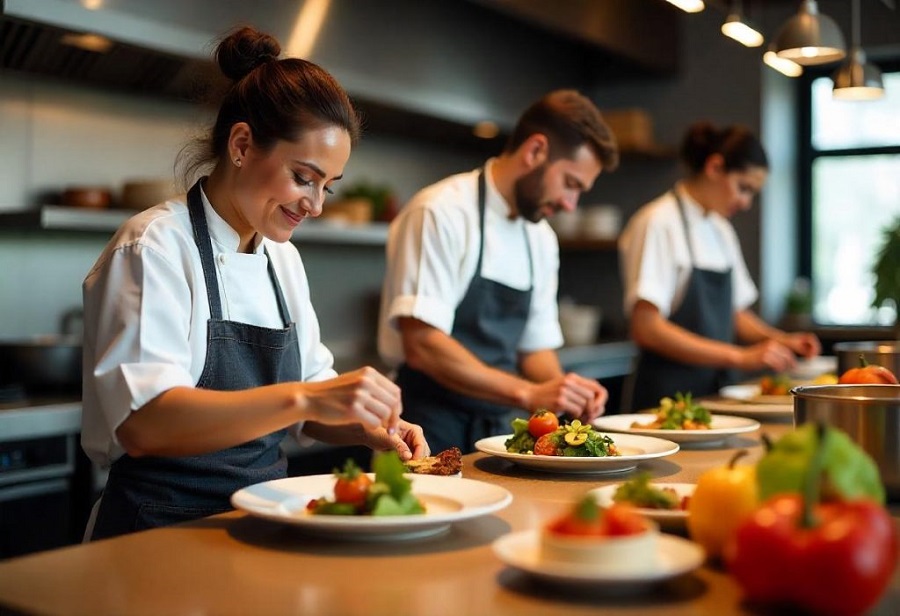
The professional culinary world is moving through a period of profound reinvention. For decades, fine dining operated within rigid classical frameworks, celebrating French mother sauces, precision knife cuts, and opulent imports like foie gras, caviar, and black truffles. While respect for classical technique remains intact, contemporary chefs are dismantling long-standing kitchen hierarchies and aesthetic conventions.
Today, gastronomy is driven by curiosity, environmental ethics, scientific inquiry, and cross-cultural storytelling. Modern chefs view themselves as researchers, environmental stewards, and cultural curators. Diners no longer visit tasting-menu counters merely for sustenance; they expect an intellectual, sensory, and emotional experience. By embracing closed-loop waste reduction, advanced fermentation science, ancestral agriculture, and precision cooking technology, visionary chefs are fundamentally rewriting the definition of exceptional food.
Hyper-Local Foraging and Native Ingredient Reclamation
The concept of terroir has expanded beyond the boundaries of viticulture into the heart of the kitchen pantry. Rather than relying on ingredients flown across oceans in climate-controlled cargo holds, forward-thinking chefs focus on what grows naturally within their immediate biomes.
Sourcing the Undiscovered Wild
Chefs are stepping into forests, coastal shallows, and high-altitude prairies alongside experienced ethnobotanists to uncover forgotten botanical treasures:
-
Invasive Species Utilization: Culinary pioneers are targeting aggressive invasive plants and fish, such as garlic mustard, lionfish, and wild boar, converting environmental liabilities into complex, high-flavor centerpieces.
-
Coastal Wild Greens: Foraged sea lettuces, salty sea succulents, and kelp varieties inject natural salinity, umami, and textural crunch into broths and raw seafood crudos.
-
Arboreal Elements: Modern kitchens use pine shoots, spruce tips, charred birch bark, and juniper branches to infuse vinegars, oils, and smoking mediums with clean, resinous aromas.
Partnering with Small-Scale Heritage Farmers
The industrialization of agriculture led to monoculture, prioritizing shelf life and transportation durability over nuanced flavor. Innovative chefs are reversing this trend through direct farmer collaboration:
-
Landrace Grain Resurgence: Bakers and pasta makers source single-origin heritage grains like spelt, emmer, einkorn, and purple barley, celebrating deep mineral complexity and higher nutritional density.
-
Heirloom Seed Preservation: Working alongside seed savers, kitchens cultivate rare varieties of nightshades, legumes, and brassicas tailored specifically to local soil compositions rather than industrial harvesting machinery.
-
Soil Health Awareness: Menus increasingly highlight regenerative farming practices, where rotational grazing, cover cropping, and no-till cultivation produce vegetables with measurably higher sugar levels and aromatic volatility.
Advanced Fermentation and Deep Umami Laboratories
Fermentation has graduated from an ancient preservation necessity to one of the most exciting creative frontiers in high-end culinary arts. Inspired by classical Asian techniques and modern microbial biology, dedicated fermentation labs have become standard fixtures in boundary-pushing restaurants.
Beyond Pickling and Vinegar
Modern fermentation is an exacting, parameter-driven science that unlocked vast layers of savory depth:
-
Aspergillus Oryzae Inoculation: Chefs use koji mold to break down starches and proteins in non-traditional bases, producing complex amino-rich misos made from day-old bread, toasted sunflower seeds, or roasted squash seeds instead of standard soybeans.
-
Modern Garums and Amino Sauces: Taking inspiration from ancient Roman fish sauces, kitchen labs blend animal proteins, roasted mushrooms, or spent poultry bones with koji and brine, incubating them at stable sixty-degree temperatures to produce clear, deeply savory seasoning liquids.
-
Targeted Lacto-Fermentation: Precise salt-percentage fermentations bring out natural fruit acids in underripe berries, stone fruits, and alliums, providing vibrant, natural acid profiles that replace imported citrus juices in northern climates.
Flavor Extraction via Enzymatic Breakdown
Culinary teams routinely deploy purified enzymes and centrifuge technology to isolate distinct textural and flavor phases:
-
Clarified Juices: Pectinase breaks down cellular walls in fruits and vegetables, allowing high-speed centrifuges to spin out crystal-clear liquids with pure aromatic focus.
-
Natural Texture Modification: By manipulating natural proteases and amylases, chefs transform raw starches into sweet glazes without adding refined sugars or artificial thickeners.
The Closed-Loop Zero-Waste Kitchen Philosophy
In the modern culinary consciousness, wasting an ingredient is viewed as a failure of imagination. Top chefs treat every peel, skin, bone, and seed as an unexploited flavor opportunity. The zero-waste ethos is no longer a marketing talking point; it is a creative framework that generates some of the most striking dishes on contemporary menus.
Upcycling Organic Waste Streams
Creative transformation turns kitchen castoffs into luxury pantry components:
-
Dehydrated Vegetable Powders: Scraps from onions, leeks, and carrots are roasted, fully dehydrated, and pulverized into concentrated finishing dusts that add aromatic punch to sauces and doughs.
-
Fat and Bone Extraction: Marrow bones, cartilage, and fish carcasses undergo multiple extractions, yielding foundational stocks, rendered culinary fats, and brittle crisps made from cooked bone pastes.
-
Spent Pulp Reimagining: Fruit and vegetable pulp leftover from daily juice programs is dried, seasoned, and pressed into translucent, crunchy crisps served as delicate vehicle components for tartares and purees.
Whole-Animal and Whole-Plant Utilization
The obsession with prime cuts like tenderloin and ribeye is giving way to full-carcass respect:
-
Alternative Proteins: Modern menus celebrate offal, utilizing kidneys, sweetbreads, cockscombs, and beef tongue treated with meticulous curing, braising, and smoking techniques.
-
Root-to-Leaf Dining: A simple brassica or root vegetable is showcased in its entirety. The leaves are charred over embers, the stems pickled, the root slow-roasted in animal fat, and the peel steeped into a glossy finishing reduction.
Precision Thermal Science and Modern Equipment
While open-fire hearth cooking has experienced a massive resurgence, it exists alongside high-precision culinary laboratory equipment. Contemporary chefs move seamlessly between primitive wood embers and digital thermal devices to achieve textures once thought impossible.
Controlled Thermal Processing
Precision gear ensures repeatable execution and textural perfection:
-
Digital Combi-Ovens: High-precision ovens allow chefs to balance ambient temperature, absolute humidity, and air speed down to single percentage points, allowing delicate seafood to cook in humid environments without waterlogging tissue.
-
Immersion Thermal Circulators: Low-temperature water baths remain invaluable for gelatin conversion in connective tissues, rendering collagen into velvet liquid without drying out lean protein strands.
-
Ultrasonic Homogenizers: Ultrasonic sound waves break liquid emulsions down to sub-micron droplets, creating shelf-stable vinaigrettes, glossy herb oils, and silky dressings without dairy or chemical stabilizers.
The Art of Controlled Primitive Fire
High-tech tools are matched by an embrace of primitive live-fire cooking:
-
Custom Wood-Burning Hearth Arrays: Kitchens feature multi-level adjustable grills burning specific wood varietals like white oak, applewood, or mesquite to impart nuanced smoke notes.
-
Charcoal-Infused Oils and Fats: Directly dropping red-hot lump charcoal into clean rendered duck fat or cold-pressed oils captures wood embers in a versatile, liquid seasoning format.
Multisensory and Immersive Plating Concepts
The visual layout of a plate is no longer considered the final stage of dining. Visionary chefs now choreograph the dining journey as a holistic sensory theatrical event, engaging sight, sound, touch, and aroma.
-
Aromatherapy and Scent Dispersal: Burning dried botanicals, pouring hot broths over table-top aromatic stones, or deploying dry ice infused with seasonal essential oils creates olfactory clouds that introduce a dish before the first bite.
-
Acoustic and Haptic Pairings: Modern tasting menus often incorporate auditory components, such as ocean soundscapes delivered via discrete headphones during coastal seafood courses to enhance perceived freshness.
-
Custom Artisan Tableware: Chefs commission independent ceramicists, glassblowers, and stonemasons to produce rough, tactile service pieces that complement the geographic narrative of the ingredients.
Modern gastronomy is shedding its past pretensions in favor of curiosity, technical skill, and deep ethical commitment. Today’s chefs are connecting diners to ecosystems, preserving biodiversity, and proving that resourcefulness and culinary luxury can elevate each other. The plates emerging from modern kitchens are more than meals; they are dynamic expressions of flavor, history, and sustainability that will define how the world eats for generations to come.
Frequently Asked Questions
How do modern chefs safely manage the health risks associated with in-house fermentation?
Professional kitchens maintain rigorous safety controls in their fermentation rooms. Chefs monitor and log ambient humidity, temperature, water activity, and pH levels using digital meters. By ensuring that fermentations reach an acidic threshold below 4.6 pH or maintain specific salt concentrations generally above two percent by weight, they prevent the growth of harmful pathogens like Clostridium botulinum while cultivating beneficial lactic acid bacteria and molds.
What is the practical culinary difference between dry-aging meat and dry-aging whole fish?
While dry-aging beef relies on airborne molds, enzymes, and extended moisture loss over thirty to ninety days to tenderize dense muscle, dry-aging fish is a shorter, more delicate procedure. Whole fish are hung in specialized refrigeration units at high humidity and low temperatures for three to fourteen days to draw moisture out of the delicate skin and flesh. This concentrates the clean natural fats, eliminates fishy odors, and produces exceptionally crisp skin during pan-searing.
Why are more high-end kitchens replacing imported wine pairings with non-alcoholic pairings?
The rise of health-conscious dining, mindful moderation, and the demand for inclusive luxury experiences has spurred an explosion in artisanal non-alcoholic pairings. Instead of basic juices or sodas, chefs craft complex zero-proof beverages using house-made kombuchas, botanical distillates, toasted grain teas, lacto-fermented fruit extractions, and herb infusions that mirror the acidity, tannin structure, and complexity of fine wines.
How does ultrasonic homogenization differ from standard high-speed blenders?
Standard commercial blenders rely on mechanical spinning blades to shear food particles down to fractions of a millimeter. Ultrasonic homogenizers use high-frequency acoustic sound waves to create microscopic cavitation bubbles in liquids. When these bubbles violently collapse, the intense localized pressure rips fat and water droplets apart into nano-scale particles, creating permanent, velvety emulsions that never separate without adding chemical stabilizers or emulsifying powders.
What role does artificial intelligence play in modern recipe formulation?
Chefs increasingly use artificial intelligence data platforms to identify novel molecular flavor pairings that are not immediately intuitive. By analyzing vast databases of volatile chemical aroma compounds across ingredients, computational tools suggest unexpected culinary harmonies, such as pairing white chocolate with caviar or coffee with passion fruit, which chefs use as raw inspiration for hands-on kitchen testing.
Why is koji considered more versatile than traditional sourdough starters in fine dining?
While a sourdough starter relies on wild yeasts and lactic acid bacteria specifically tailored to fermenting flour, koji produces an exceptionally diverse array of digestive enzymes, including amylases, proteases, and lipases. These active enzymes can break down proteins into savory amino acids and starches into simple sugars across a massive variety of mediums, allowing chefs to ferment everything from cooked rice and barley to roasted meats, seeds, and even seafood.
How do chefs balance hyper-seasonal foraged menus when extreme winter sets in?
In colder climates, winter menus rely on planning executed during the spring, summer, and autumn harvest peaks. During abundant months, kitchens preserve seasonal produce using dehydration, pickling, oil confits, koji ferments, and cold storage of winter root vegetables. When fresh green produce disappears beneath winter snow, chefs draw upon this rich pantry of preserved acids, umami pastes, and dried botanicals to craft vibrant dishes.