

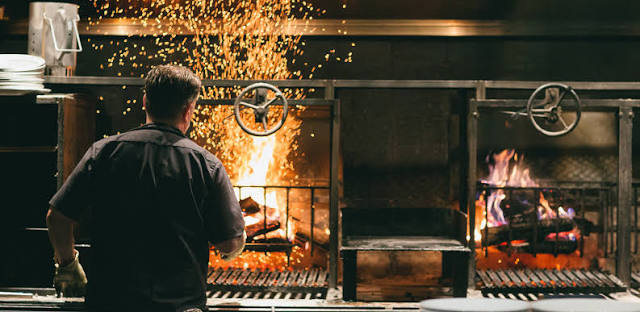
Food changes the mood of an event long before the first plate reaches a table. Guests notice aromas, movement around the cooking area, the pace of service, and whether the meal feels connected to the occasion. Live fire cooking has a particular advantage because preparation becomes part of the gathering rather than something hidden in a back kitchen. Smoke, heat, and the sight of food being cooked can make a meal feel immediate without requiring an elaborate formal format.
For hosts who want that style of service, catering barbecue can work for birthdays, company gatherings, family celebrations, and private parties where food needs to feel generous but still organised. The strongest events do not rely on fire as decoration. They use it as a cooking method, a service point, and a natural place for guests to gather while chefs manage timing and portions.
Live Fire Cooking Gives the Meal a Clear Identity
A standard event menu can be excellent, yet guests may experience it only when a finished plate appears. Open grill cooking adds context. People can see vegetables blister, bread toast, meat rest, and sauces being applied. That process makes the meal easier to understand. It also gives the host a theme that can influence the menu without forcing every dish into the same flavour profile.
The best approach is restraint. Smoke should support ingredients rather than cover them. A grill can handle meat, fish, vegetables, flatbreads, fruit, and desserts, but each item needs its own heat and timing. A menu becomes more interesting when some dishes carry a stronger char while others use indirect heat, gentle smoke, or a brief finish over the flame.
Service Style Matters as Much as the Menu
Live cooking can fail when the food is good but the service plan is weak. Guests should know where to collect food, which dishes are ready, and whether more courses are coming. For a small party, cooks may serve directly from the grill. For a larger gathering, a separate collection point can prevent a crowd from forming around hot equipment.
| Planning point | Why it matters | Practical approach |
| Guest flow | Crowding can slow service | Keep collection areas away from the hottest cooking zone |
| Menu timing | Different foods finish at different rates | Use dishes with staggered cooking times |
| Dietary needs | Guests need clear choices | Label suitable dishes and use separate tools where required |
| Weather | Wind and rain affect outdoor service | Plan shelter and a protected preparation area |
A Good Menu Uses Contrast
A fire based menu does not need to mean heavy food from start to finish. Rich items are easier to enjoy when there are sharp sauces, fresh salads, grilled vegetables, pickles, herbs, or citrus nearby. Texture matters too. Soft pulled meat can work beside crisp slaw, while grilled fish can benefit from a fresh relish rather than another smoked component.
Hosts should also think about how long guests will be eating. A reception with food served over several hours needs a different plan from a dinner where everyone eats at once. Small plates can keep people comfortable early in the event, while larger dishes can arrive later. Dessert can continue the theme with grilled fruit, toasted cake, or warm sauces without making the menu repetitive.
What to Ask Before Booking a Live Fire Caterer
A short planning conversation can reveal whether a provider understands both cooking and event service. Useful questions include the following.
- What equipment will be brought to the venue and what power or fuel access is needed
- How the cooking area will be separated from guest traffic
- How vegetarian, vegan, allergy, and religious dietary requests will be handled
- Whether food is served in courses, from a buffet, or directly from the grill
- What happens if weather makes the original outdoor plan impractical
The phrase catering barbecue may sound casual, but the operation behind it should be precise. Food safety, temperature control, staffing, preparation space, clearing, and waste removal still need the same care expected from any professional event kitchen.
When the Format Makes the Most Sense
Live fire service works especially well when the host wants food to be part of the social activity. It suits garden parties, relaxed weddings, workplace gatherings, milestone birthdays, and celebrations where guests are moving between conversation, drinks, and food rather than staying at one table for the whole event.
It is less suitable when a venue bans open flames, when smoke could disturb nearby properties, or when the schedule leaves no room for cooking in front of guests. In those cases, a caterer may still use smoked or grilled components prepared elsewhere, but the character of the event will be different.
The Best Events Let the Cooking Earn Attention
Live fire food succeeds when the cooking feels purposeful. Guests do not need constant theatre. They need good food served at the right moment, clear choices, and a comfortable place to enjoy it. When the grill supports those basics, the heat and aroma add personality without taking over the occasion. That is what makes this style of service memorable for the right reasons.