

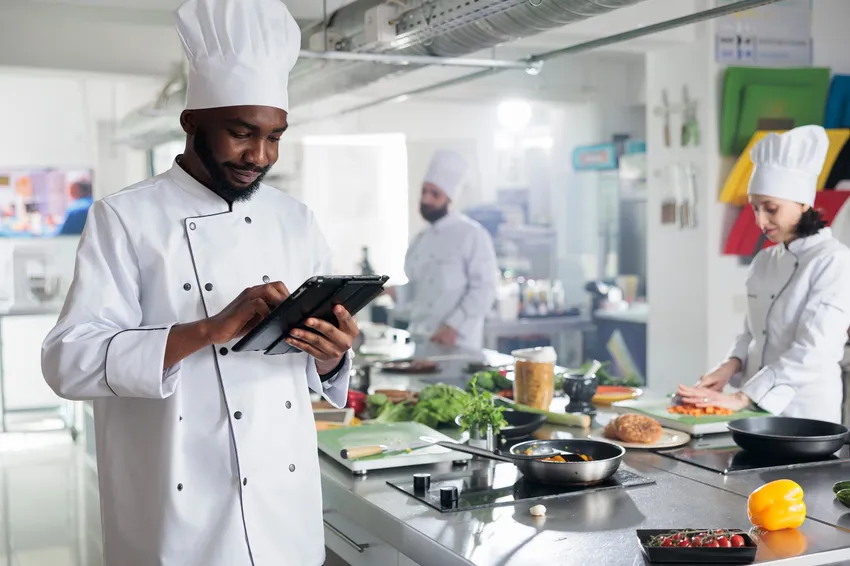
The modern perception of the professional chef has undergone an enormous cultural transformation over the past three decades. Popular media, televised cooking competitions, and glossy culinary magazines often portray the profession as an glamorous art form defined by polished tasting rooms, artistic tweezers, and celebrity recognition.
Behind the dining room doors, the reality of commercial culinary arts tells a vastly different story. Working as a professional chef requires an uncommon blend of physical stamina, tactical discipline, psychological resilience, and relentless sensory awareness. A professional kitchen operates not like an artistic salon, but like a precision assembly plant where extreme heat, sharp blades, short deadlines, and razor-thin financial margins converge every single day. Understanding the real-world work environment and lifestyle of culinary professionals reveals a career path that is as physically taxing as it is creatively rewarding.
The Physical Architecture of the Commercial Kitchen
A commercial kitchen is a high-density, hazard-filled workspace engineered specifically for speed, sanitation, and safety rather than worker comfort.
Heat, Noise, and Ergonomic Strain
The physical climate behind the line challenges human physiology over long working shifts:
-
Searing Ambient Temperatures: Commercial ranges, salamanders, convection ovens, and open-flame broilers generate tremendous thermal loads. Line cooks and chefs routinely work in ambient temperatures hovering between ninety-five and one hundred and fifteen degrees Fahrenheit during peak rush hours, even with modern exhaust hoods running at full velocity.
-
Persistent Acoustic Pressure: The sonic profile of an active kitchen is unrelenting. Commercial hood fans roar continuously, ticket machines click relentlessly, timers chime, saute pans clatter, and kitchen personnel shout directional commands to maintain situational awareness.
-
Biomechanical Wear and Tear: Professional cooks spend twelve to sixteen hours a day on their feet, standing almost exclusively on hard quarry tile, sealed concrete, or slip-resistant industrial mats. This daily load produces severe chronic strain on knees, ankles, arches, and the lumbar spine, making supportive orthopedic clogs a mandatory investment.
-
Constant Repetitive Movement: Slicing hundreds of pounds of onions, whisking emulsion sauces, portioning whole cuts of meat, and plating with metal tweezers place heavy mechanical stress on wrist tendons, frequently leading to carpal tunnel syndrome, tendonitis, and joint inflammation.
The Rigor of the Classical Brigade System
Most high-volume and fine dining establishments organize their teams around the French brigade system developed by Auguste Escoffier in the late nineteenth century. This military-inspired hierarchy structures responsibilities and coordinates communication:
-
The Executive Chef: The strategic director overseeing menu design, food costing, vendor negotiations, labor percentages, and high-level management.
-
The Chef de Cuisine: The active head of the daily operational floor, ensuring the kitchen meets corporate standards across prep, quality control, and sanitation.
-
The Sous Chef: The field general directly responsible for line discipline, expeditor communication, inventory management, and training junior line cooks.
-
Station Chefs or Chefs de Partie: Specialized cooks handling individual stations, such as the saucier (sauces and meats), the poissonier (fish), the garde manger (cold appetizers and salads), and the pastry team.
-
Commis and Apprentices: Junior cooks tasked with bulk vegetable peeling, stock production, and baseline sanitation duties.
The Daily Rhythm: From Morning Delivery to Late-Night Breakdown
The public often views a chef’s work through the lens of meal hours—the two or three hours of dinner service when plates cross the pass. In truth, dinner service represents merely the final act of an exhaustive daily production cycle.
The Morning Receiving and Prep Shift
A productive kitchen shift begins hours before the first guest walks in:
-
Incoming Delivery Inspections: Early hours start with receiving food purveyors, inspecting seafood boxes for temperature compliance and freshness, verifying meat weights, and organizing dry-goods stockrooms using strict first-in, first-out protocol.
-
The Mis-en-Place Phase: Everything in its place is the foundational law of professional culinary craft. Hours are spent dicing aromatics, skimming long-simmering bone stocks, filleting round and flat fish, rolling pasta doughs, and reducing complex glazes.
-
Pre-Service Family Meal: Before dinner service begins, the kitchen cooks a shared meal for the entire front and back-of-house staff, providing essential fuel and offering a brief window to coordinate menu changes, VIP reservations, and daily allergens.
The Adrenaline of Rush Service
Once dinner service begins, the tempo changes instantly:
-
The Expeditor’s Command: The expeditor orchestrates the flow of orders, translating dining room tickets into coordinated cooking calls. Stations must finish a table’s protein, starch, vegetables, and pan sauces simultaneously within seconds of each other.
-
Sensory Multitasking: A seasoned line cook manages four to six pans on high flame, watches proteins roasting in an oven, listens for ticket chimes, and monitors plating tweezers, all while maintaining clean work boards and sanitizing towels.
-
Zero Room for Hesitation: A dropped steak, an overcooked piece of halibut, or a split emulsion sauce stops an entire table’s order, throwing the timing off for the entire dining room.
Breakdown and Sanitation
Service completion does not signal the end of the shift. Cleanliness is an ethical and legal mandate in professional hospitality:
-
Scrubbing and Degreasing: Stations are stripped down, food containers are transferred into fresh cambros with safety date labels, stainless-steel surfaces are bleached, and open grill tops are scrubbed with heavy abrasive stones.
-
Floor Care: Quarry tile floors are scrubbed with stiff deck brushes, hot water, and enzymatic floor soaps, followed by squeegees clearing water into centralized floor drains.
-
Next-Day Ordering: Before clocking out near midnight or early morning, kitchen leaders audit walk-in coolers, assess shelf depletion, and transmit wholesale food orders to farmers, butchers, and seafood suppliers.
The Lifestyle Impact: Living Outside the Standard Social Clock
Choosing a career as a professional chef requires profound lifestyle adjustments. The industry operates on an inverted clock compared to traditional corporate work, placing unique strains on personal routines.
Social Isolation and Atypical Work Schedules
Culinary professionals work when the rest of society plays. This fundamental misalignment creates challenges outside the restaurant:
-
Weekend and Holiday Sacrifices: Fridays, Saturdays, Sundays, and major holidays like New Year’s Eve, Mother’s Day, and Thanksgiving represent the most lucrative revenue windows for restaurants. Consequently, culinary workers spend holidays away from family gatherings.
-
Strained Personal Relationships: Dating, marriage, and parenting require deliberate effort when one partner works nights from two in the afternoon until one in the morning, while the rest of the household operates on an eight-to-five schedule.
-
The Late-Night Subculture: Because chefs finish work when standard businesses are closed, social circles often become insular, revolving around fellow hospitality workers who gather at late-night bars, all-night diners, or private staff lounges after midnight.
Nutrition and Hydration Ironies
Despite spending twelve hours a day cooking luxurious food for paying guests, chefs often struggle with basic personal nutrition:
-
Grazing Rather Than Dining: Cooks frequently spend whole shifts tasting hundreds of tiny spoonfuls of seasoned broths, vinaigrettes, and reductions to monitor seasoning, which blunts hunger cues during normal meal times.
-
Convenience Over Quality: After finishing an intense service and scrubbing down a grease-soaked station, few chefs want to cook a full meal at home. Late-night dining often consists of takeout, cold sandwiches, or instant noodles consumed over the sink.
-
Chronic Dehydration Risks: The immense radiant heat of the cooking line causes heavy sweating. Unless cooks maintain active discipline with water bottles, dehydration, electrolyte depletion, and heat exhaustion become constant hazards.
The Mental Health and Cultural Shift in Modern Kitchens
Historically, commercial kitchens had a reputation for toxic environments, militaristic authoritarianism, verbal abuse, substance abuse, and dangerous glorification of overwork. The contemporary culinary world is actively dismantling this destructive legacy in favor of psychological safety, mental wellness, and sustainable career paths.
Confronting Burnout and Mental Wellness
A growing wave of industry leaders is reforming work environments:
-
Shorter Shifts and Balanced Workweeks: Innovative restaurant operators are abandoning brutal eighty-hour workweeks, experimenting instead with four-day, ten-hour schedules that give cooks three full days of rest to recover mentally and physically.
-
Substance Use Support Networks: The culinary community is openly addressing alcohol and substance dependency, supporting sober-shift policies, providing mental health counseling stipends, and removing free shift drinks from staff lounges.
-
Replacing Fear with Mentorship: Yelling, throwing hot pans, and public humiliation are increasingly rejected as unprofessional and ineffective. Modern culinary leaders prioritize pedagogical training, constructive feedback, emotional intelligence, and calm communication along the pass.
A career as a professional chef is not an idle hobby; it is a calling that requires immense physical grit, deep intellectual curiosity, and an unwavering commitment to hospitality. While the hours are demanding, the physical environment punishing, and the lifestyle outside the kitchen difficult to balance, those who stay find deep satisfaction in the craft. The bond formed between line cooks during a brutal dinner rush, the thrill of transforming raw produce into art, and the immediate joy of feeding people create a rewarding life that few conventional desk jobs can ever match.
Frequently Asked Questions
What entry-level qualifications or schooling are needed to start working as a professional chef?
While attending an accredited culinary school provides a structured background in classical knife skills, mother sauces, and food safety regulations, formal degrees are rarely required to enter the field. Many accomplished chefs begin with zero academic training, entering kitchens as dishwashers or prep cooks and learning the trade entirely through hard work, observation, and mentorship. In modern professional kitchens, demonstrated speed, a strong work ethic, cleanliness, and kitchen reliability carry far more weight than formal diplomas.
How do professional chefs keep themselves from getting burned or cut on a daily basis?
Preventing burns and cuts requires strict habits and situational awareness. Cooks use dry folded cotton side towels rather than synthetic oven mitts to grab hot pan handles, as damp towels conduct heat instantly, turning moisture into painful steam burns. To prevent knife slips, chefs keep blades razor-sharp using whetstones, as dull blades require excessive force and slip easily off vegetable skins. Maintaining verbal communication on the line, constantly calling out behind or hot pan when moving through tight spaces, prevents collisions.
Why are commercial kitchen floors usually built with raised red or brown tiles?
Most commercial kitchens use unglazed red or brown quarry tiles because they offer exceptional heat resistance, chemical durability, and slip resistance when properly cleaned. Unlike standard ceramic or porcelain tiles that become slick when coated in airborne grease or cooking oils, textured quarry tile provides traction. Furthermore, quarry tile resists cracking under the rolling weight of heavy food carts, stacked flour sacks, and cast-iron equipment.
What is the practical difference between a cook and a chef?
The distinction comes down to operational management and creative leadership. A cook is a skilled craftsperson who executes predefined recipes, works an individual station on the line, and preps ingredients under instruction. A chef, derived from the French term chef de cuisine meaning head of the kitchen, is an organizational executive responsible for menu development, business finances, labor budgets, hiring, vendor relations, and overall culinary quality.
How do professional cooks manage food safety when handling diverse raw proteins all day?
Kitchens use strict color-coded prep boards, dedicated cutting zones, and constant hand washing to eliminate cross-contamination. Red boards are typically reserved for raw red meat, yellow for raw poultry, blue for raw seafood, and green for fresh produce. Sanitizing buckets containing calibrated chlorine or quaternary ammonium solutions are kept at every workstation to wipe down stainless-steel prep counters between tasks, and digital probe thermometers are used to log internal cooking and cooling temperatures.
How does working the night shift affect a chef’s sleep hygiene and recovery?
Finishing service near midnight followed by an hour of sanitation leaves cooks with elevated adrenaline and cortisol levels. It is common for culinary workers to struggle to fall asleep until three or four in the morning, waking in the late morning to repeat the cycle. This delayed sleep phase schedule disrupts natural circadian rhythms, requiring chefs to invest in blackout window curtains, avoid screens post-shift, and minimize caffeine consumption during the second half of service to get quality rest.
Why do so many professional chefs choose to wear clogs instead of traditional sneakers?
Traditional athletic sneakers lack the rigid arch support, fluid resistance, and safety protection needed in commercial kitchens. Professional culinary clogs feature thick polyurethane or wooden soles that absorb shock and keep the spine aligned during sixteen-hour standing shifts. Moreover, quality clogs are completely waterproof, resist corrosive cooking oils, and have no fabric or shoelaces that can catch fire from hot grease splatters or absorb spilled liquids. Their slip-on design also allows cooks to kick them off immediately if boiling oil splashes onto their feet.