

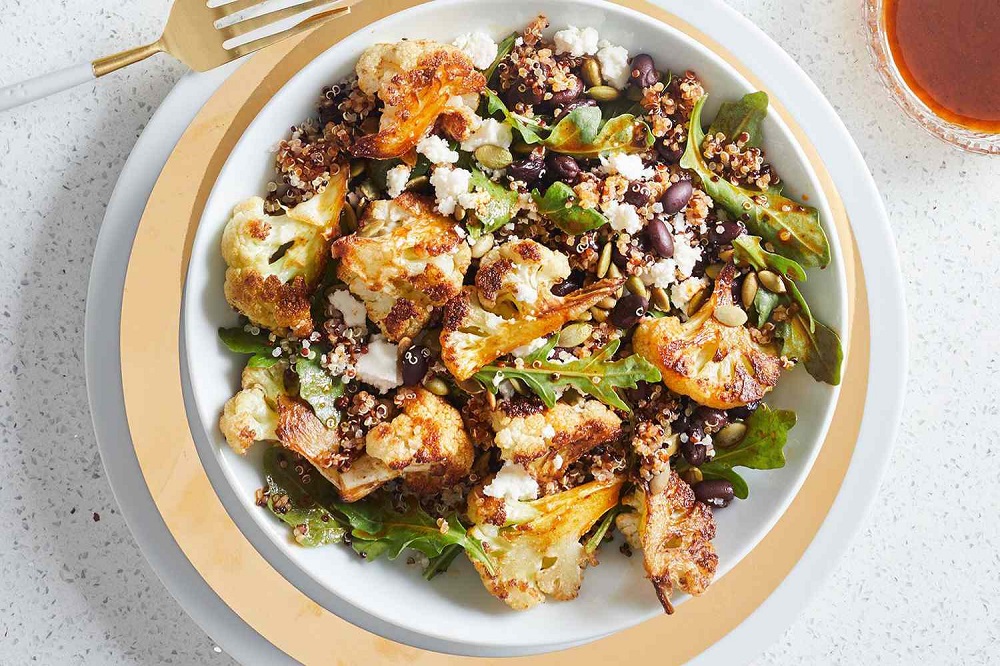
For generations, vegetarian dining was viewed through a lens of compromise. Mainstream recipe books often treated meatless cooking as an exercise in subtraction, taking a conventional animal-protein dish and simply omitting the centerpiece, or leaning entirely on uninspired steamed vegetables, bland blocks of unseasoned tofu, and repetitive leafy salads.
Modern plant-forward cooking is an expansive, vibrant culinary frontier. When approached with curiosity and proper culinary technique, vegetables, grains, legumes, and fungi deliver deep savory satisfaction, complex textures, and stunning visual appeal. Vegetables possess a wide spectrum of natural sugars, volatile aromatic oils, and earthy depth that react beautifully to high-heat caramelization, slow-braising, and acid-driven marinades.
By understanding how to build savory foundations, balance richness with acidity, and source authentic pantry ingredients, any home cook can step beyond predictable staples. These creative vegetarian concepts showcase how humble produce can be transformed into memorable, restaurant-worthy meals at home.
The Secret to Great Vegetarian Cooking: Building Deep Umami
The primary challenge meat-eaters encounter when switching to plant-centric meals is a perceived lack of savory depth. Meat provides high concentrations of naturally occurring glutamates, which stimulate the tongue and create lingering satisfaction. To recreate that richness without meat, home cooks must master the art of layering vegetarian umami.
-
Fermented Pastes: Red and white miso pastes, Korean gochujang, and dark fermented black bean sauces add immediate fermented funk and deep savory flavor to broths, glazes, and dressings.
-
Dried Mushrooms: Dehydrated shiitake, porcini, and morel mushrooms are rich in free glutamates. Rehydrating them yields tender fungi along with a deeply aromatic, dark stock that outperforms commercial vegetable broths.
-
Aged Hard Cheeses and Yeast: Real aged cheeses like Parmigiano-Reggiano, Pecorino Romano, or nutritional yeast for dairy-free diets provide savory, nutty notes when grated over roasted vegetables.
-
Char and Caramelization: Sweating vegetables over low heat produces gentle sweetness, but hard searing, roasting, or blistering under a broiler triggers the Maillard reaction, transforming amino acids and natural sugars into smoky complexity.
Charred King Oyster Mushroom Steaks with Garlic Miso Glaze
King oyster mushrooms feature thick, dense, fibrous stems that hold their structural integrity during high-heat cooking. When scored and pan-seared in foaming butter or neutral oil, they mimic the rich chew and caramelized exterior of pan-seared sea scallops.
Preparing the Mushroom Steaks
-
Slicing and Scoring: Slice the thick stems into one-and-a-half-inch thick cylindrical medallions. Using a paring knife, score both flat surfaces in a shallow diamond crosshatch pattern roughly one-eighth of an inch deep. This scoring allows marinades to penetrate into the dense fibrous core.
-
The Glaze Blend: In a small bowl, whisk together two tablespoons of white miso paste, one tablespoon of pure maple syrup, two tablespoons of tamari, a teaspoon of toasted sesame oil, and two cloves of finely grated garlic.
-
Hard Sear Method: Heat a cast-iron skillet over medium-high heat with two tablespoons of high-smoke-point oil. Add the mushroom rounds cut-side down, pressing them lightly with a spatula to guarantee contact. Sear undisturbed for four to five minutes until a deep, dark golden-brown crust develops.
-
Basting and Glazing: Flip the medallions, add a knob of unsalted butter and a bruised sprig of thyme to the pan, and baset the mushrooms with the foaming fat. Brush the prepared miso glaze generously over the scored tops, lower the heat, and allow the glaze to bubble, caramelize, and reduce into a glossy, sticky coating.
-
Plating: Serve the seared medallions over a bed of warm garlic-scented cauliflower puree, finished with thinly sliced scallions and toasted white sesame seeds.
Whole-Roasted Harissa Cauliflower over Lemon Herb Labneh
Cauliflower is often reduced to watery steamed florets, which ruins its delicate flavor. Roasting a whole cauliflower head concentrates its natural moisture, turning the interior creamy and sweet while the exterior develops crispy, spiced edges.
Elevating the Humble Brassica
-
Pre-Cooking the Core: Core the tough base leaves of a medium head of cauliflower, keeping the stem intact so the head remains whole. Submerge the entire head in a pot of heavily salted boiling water for eight minutes, then remove and allow it to steam-dry completely on a wire rack. Pre-cooking ensures the interior turns tender before the outer skin burns.
-
The Spiced Harissa Rub: Whisk three tablespoons of North African harissa paste with three tablespoons of extra-virgin olive oil, ground cumin, smoked paprika, sea salt, and the zest of a fresh lemon.
-
High-Heat Roasting: Generously slather the harissa mixture over every crevice of the dried cauliflower head. Roast in a preheated oven at four hundred and twenty-five degrees Fahrenheit for thirty-five to forty minutes until the outer edges are deeply browned and charred in spots.
-
The Cooling Base: Spread a generous swoosh of thick labneh, Greek yogurt, or whipped tahini flavored with fresh lemon juice, grated garlic, and chopped mint across a wide serving platter.
-
The Finishing Touch: Place the whole roasted cauliflower directly on top of the cold labneh base. Scatter toasted pine nuts, pomegranate arils, and torn cilantro leaves over the top to add crunch, tart bursts of fruit, and herbal brightness against the smoky heat.
Crispy Coconut-Crusted Tofu with Spiced Peanut-Lime Slaw
Tofu often suffers from poor preparation. When pressed improperly and boiled in liquid, it turns spongy and rubbery. When pressed thoroughly and coated in crispy elements, it becomes a versatile, crunchy protein that absorbs bold, spicy dressings.
Textural Transformation
-
Freezing and Thawing: For the best possible chew, freeze a block of extra-firm tofu overnight in its packaging, then thaw it completely before cooking. Freezing expands the internal water into ice crystals, creating large pockets that turn the thawed tofu spongy and absorbent.
-
Pressing: Cut the thawed block into rectangular slabs and press between clean kitchen towels weighted with a heavy cast-iron skillet for twenty minutes to expel excess liquid.
-
The Coconut Crust: Cut the pressed tofu into bite-sized cubes. Dip each cube into cornstarch mixed with cold water to form a light slurry, then roll thoroughly in unsweetened, finely shredded desiccated coconut flakes.
-
Pan-Frying: Shallow-fry the coated cubes in a non-stick skillet with coconut oil over medium heat until the coconut turns golden and crisp on all sides, roughly two minutes per surface.
-
The Slaw Pairing: Toss shredded red cabbage, julienned carrots, and fresh mint with a spicy dressing made of creamy peanut butter, fresh lime juice, grated ginger, soy sauce, and warm chili crisp. Serve the warm, crunchy coconut tofu immediately over the cold slaw.
Creamy Butternut Squash and Sage Gnocchi Skillet
Comfort food does not require heavy cream sauces. Naturally sweet winter squashes can be transformed into velvety, rich sauces that coat handmade or store-bought potato gnocchi.
Crafting a Velvety Pan Sauce
-
Roasting the Squash: Toss peeled, cubed butternut squash with olive oil, salt, and black pepper, roasting at four hundred degrees Fahrenheit until fork-tender and caramelized around the margins.
-
Pureeing with Aromatics: Transfer the warm squash into a blender with vegetable stock, a splash of unsweetened almond milk or dairy cream, a grating of fresh nutmeg, and a tablespoon of nutritional yeast, blending until smooth and glossy.
-
Crisping the Gnocchi: In a wide skillet, melt two tablespoons of butter with a handful of fresh sage leaves until the butter begins to brown and the leaves turn crisp. Remove the crispy sage leaves. Add uncooked shelf-stable or fresh potato gnocchi directly into the brown butter, searing them until golden and crisp on the exterior without boiling them in water first.
-
Bringing It Together: Pour the squash puree into the skillet with the crisped gnocchi, tossing gently over low heat until the sauce clings to each piece. Finish with toasted pumpkin seeds, cracked black pepper, and the reserved crispy sage leaves.
Creative vegetarian cooking is about celebrating the unique textures, flavors, and possibilities of the plant kingdom. By embracing bold spices, using high-heat roasting and searing methods, and layering umami ingredients like miso, dried mushrooms, and aged cheeses, home cooks can craft vegetarian meals that are deeply satisfying, dynamic, and endlessly inspiring.
Frequently Asked Questions
How can home cooks prevent tofu from sticking to the pan when searing?
Tofu sticks primarily due to surface moisture and improper pan temperature. To achieve a clean release, thoroughly press the tofu to remove internal water, and dry the cut surfaces with paper towels right before cooking. Always preheat a heavy stainless steel or cast-iron skillet until hot before adding oil with a high smoke point, such as avocado or peanut oil. Allow the tofu to sear undisturbed over medium-high heat for three to four minutes; once a solid golden crust forms, the protein will naturally release from the metal surface without tearing.
What are the best vegetarian substitutes for traditional fish sauce in Southeast Asian recipes?
Traditional fish sauce provides fermented salinity and deep savory complexity. Excellent vegetarian alternatives include store-bought fermented vegetarian mushroom sauces, or a homemade mixture composed of simmering soy sauce with dried shiitake mushrooms, kombu (dried kelp), and a splash of pineapple juice. The kombu introduces sea minerals and iodine, while the dried mushrooms provide the necessary glutamates to mirror authentic fish sauce.
Why does homemade vegetable broth often taste flat or watery compared to chicken stock?
Commercial vegetable stocks are frequently made by simmering watery vegetables like celery and zucchini for too long, which turns the liquid bitter rather than rich. To build a robust homemade vegetable stock, roast hearty root vegetables like onions, carrots, and parsnips with tomato paste until well-browned before adding water. Always include umami-rich boosters such as dried porcini mushrooms, kombu, fresh thyme, and black peppercorns, and simmer for no longer than forty-five minutes to preserve bright, clean flavors.
What is the practical difference between nutritional yeast and active dry baker yeast?
Nutritional yeast is an inactive form of Saccharomyces cerevisiae grown specifically on cane sugar or beet molasses, which is then harvested, heat-treated, and rolled into dry, golden flakes. It cannot be used to leaven bread or ferment liquids. Instead, it serves purely as a savory seasoning, offering a nutty, cheesy flavor rich in naturally occurring glutamates and B-vitamins. Active dry yeast, by contrast, contains living yeast cultures designed solely to ferment doughs and produce carbon dioxide bubbles.
How do you keep fresh leafy greens from turning soggy when adding them to hot pasta dishes?
Delicate greens like baby spinach, arugula, and Swiss chard contain high percentages of water and break down within seconds of hitting direct heat. To prevent them from turning mushy and waterlogging your sauce, never boil greens with the pasta. Instead, place raw, washed greens directly into the bottom of your warm serving bowl and pour the hot pasta and sauce straight over them, tossing gently for thirty seconds. The residual heat will wilt the greens while keeping their bright green color, slight bite, and nutrients intact.
Can dried beans be cooked directly in acidic sauces like chili or tomato stews?
Cooking raw dried beans directly in acidic cooking liquids, such as tomato puree, wine, or vinegar-heavy broths, is not recommended. Acid tightens the hemicellulose in bean cell walls, preventing starch granules from absorbing water and swelling properly. This reaction leaves the beans unpleasantly chalky and firm, no matter how long they simmer on the stove. Always soak and cook dried beans in plain water with a pinch of baking soda until tender before adding them to acidic tomato or vinegar bases.
What is the best way to clean and store wild or cultivated mushrooms so they do not become slimy?
Cultivated mushrooms like cremini, button, and shiitake should never be soaked in standing water, as their porous structure absorbs moisture quickly, causing them to steam rather than sear in the pan. Brush away loose soil with a dry pastry brush, or wipe caps with a damp paper towel immediately before slicing. Store fresh mushrooms out of their plastic grocery packaging inside a loosely folded brown paper bag in the refrigerator; the paper absorbs ambient condensation while allowing the mushrooms to breathe, preventing slimy spoilage.