

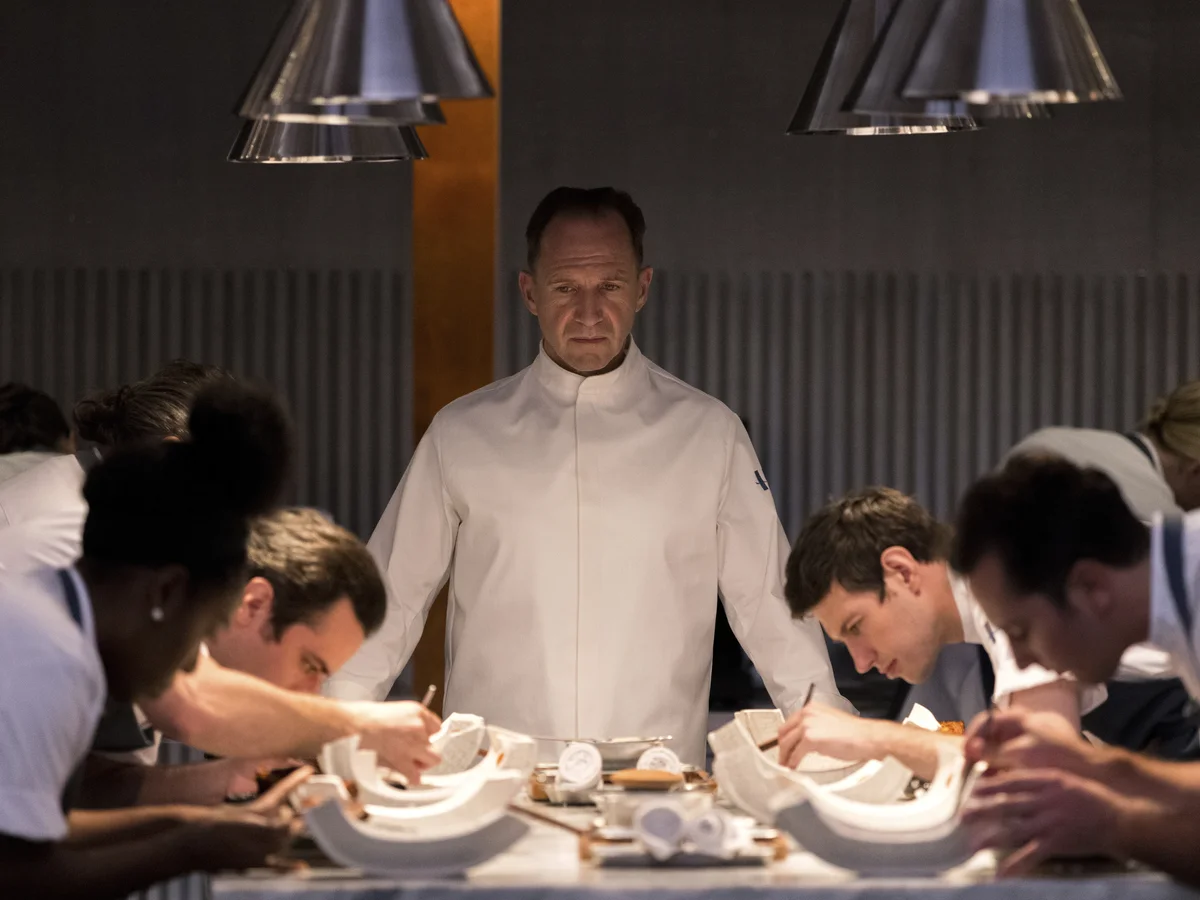
The culinary world has evolved far beyond basic cooking. Today, elite chefs are not just preparing meals—they are redefining how we experience food. From molecular gastronomy to sustainable sourcing, modern chefs bring innovation, artistry, and precision to the kitchen. This article explores the nuanced strategies, philosophies, and creative approaches that top chefs employ to transform traditional cuisine into extraordinary dining experiences.
The Art of Culinary Storytelling
At the heart of a chef’s craft is storytelling through food. Every dish communicates a narrative—be it cultural heritage, personal memory, or a commentary on modern gastronomy. Elite chefs often blend flavors, textures, and presentations to evoke specific emotions in diners.
-
Cultural Revival: Some chefs focus on reviving forgotten or regional recipes, giving them a modern twist while staying true to their origins.
-
Personal Signature: Incorporating personal experiences into menus allows chefs to create a unique culinary voice.
-
Multi-Sensory Engagement: Beyond taste, chefs leverage sight, aroma, and even sound to immerse diners fully into their culinary story.
Through storytelling, chefs do more than feed—they create memorable experiences that linger long after the meal is finished.
Innovation in Techniques
Modern culinary innovation relies heavily on the mastery of advanced techniques. Chefs are increasingly using scientific principles to enhance traditional dishes, creating textures and flavors previously unimaginable.
-
Sous-Vide Cooking: Precision temperature control ensures perfectly cooked proteins, retaining maximum flavor and nutrients.
-
Molecular Gastronomy: Using techniques like spherification and foaming, chefs turn classic ingredients into surprising textures.
-
Fermentation and Curing: Rediscovering age-old methods, chefs experiment with fermentation to develop complex flavors in a modern context.
These techniques are not merely gimmicks—they allow chefs to push boundaries while maintaining culinary integrity.
Sourcing Ingredients with Purpose
Top chefs are highly selective about their ingredients, understanding that quality sourcing impacts both taste and sustainability.
-
Local and Seasonal Produce: Prioritizing local farmers and seasonal crops ensures freshness and supports regional economies.
-
Ethical Protein Choices: From free-range poultry to responsibly sourced seafood, ingredient ethics reflect a chef’s philosophy.
-
Foraging and Wild Ingredients: Some chefs venture into nature, gathering herbs, mushrooms, and other wild ingredients that bring distinct authenticity to dishes.
Intentional sourcing allows chefs to balance flavor, health, and environmental responsibility, creating a dining experience that resonates with conscious consumers.
Plating as an Expression of Art
Presentation is more than aesthetics; it is a language of its own. Elite chefs treat plating as an essential component of culinary storytelling.
-
Color Theory: Strategic use of colors enhances visual appeal and can even influence perceived taste.
-
Height and Layers: Layered plating and varied heights create dimension and depth, drawing the eye to every detail.
-
Edible Garnishes: Microgreens, flowers, and unique garnishes not only enhance beauty but contribute flavor and texture.
A well-executed plate is a reflection of a chef’s vision, demonstrating that food can be both nourishment and visual art.
Culinary Leadership and Kitchen Dynamics
A great chef excels not just in the kitchen but also as a leader and mentor. The modern culinary environment demands management skills as much as culinary talent.
-
Team Collaboration: Efficient kitchen dynamics rely on clear communication and trust between sous chefs, line cooks, and pastry chefs.
-
Mentorship: Many elite chefs dedicate themselves to training the next generation, passing down techniques and philosophies.
-
Stress Management: High-pressure environments require resilience, focus, and the ability to make rapid decisions without compromising quality.
Strong leadership ensures the kitchen operates smoothly, allowing creativity and innovation to thrive under structured guidance.
The Role of Research and Continuous Learning
Even seasoned chefs embrace lifelong learning. Staying ahead requires continuous exploration and adaptation.
-
Global Culinary Exploration: Travel exposes chefs to diverse cooking styles, ingredients, and traditions, enriching their repertoire.
-
Food Science and Innovation: Understanding chemical reactions and nutritional science allows chefs to refine techniques and create novel dishes.
-
Trend Analysis: Awareness of evolving consumer tastes, dietary preferences, and market trends informs menu development and concept innovation.
This commitment to research ensures that a chef’s creations remain relevant, sophisticated, and forward-thinking.
Balancing Tradition and Modernity
Elite chefs excel at walking the fine line between respecting culinary traditions and embracing modernity.
-
Reimagining Classics: They retain the soul of traditional dishes while infusing contemporary techniques or presentations.
-
Fusion Cuisine: Strategic blending of global influences creates unique, unforgettable flavor profiles.
-
Adaptive Menus: Seasonal and local ingredients guide menu evolution, allowing chefs to innovate without losing authenticity.
By harmonizing tradition and modernity, chefs offer diners both comfort and surprise, reinforcing their identity as true culinary visionaries.
Sustainable Practices and Social Responsibility
Sustainability is no longer optional—it’s a defining characteristic of modern culinary excellence.
-
Waste Reduction: Innovative use of byproducts and zero-waste cooking techniques minimizes environmental impact.
-
Community Engagement: Many chefs collaborate with local initiatives, food banks, or educational programs to give back to society.
-
Eco-Friendly Operations: Energy-efficient kitchens, biodegradable packaging, and conscious sourcing demonstrate a commitment to long-term responsibility.
Sustainable practices ensure that culinary artistry benefits both the palate and the planet, enhancing a chef’s legacy beyond the kitchen.
Technology Integration in Modern Kitchens
Technology is transforming how chefs conceptualize, prepare, and deliver food.
-
Smart Appliances: Precision ovens, induction cooktops, and automated mixers improve efficiency and consistency.
-
Data-Driven Menus: Some chefs leverage analytics to understand customer preferences and optimize inventory.
-
Virtual and Augmented Reality: Innovative dining experiences incorporate AR or VR to engage diners in immersive storytelling.
When thoughtfully applied, technology amplifies creativity, enhances operational efficiency, and elevates the dining experience.
Conclusion
Being a modern chef extends far beyond culinary skills. Elite chefs are storytellers, innovators, leaders, and stewards of sustainability. Their work is an intricate balance of art, science, and culture, where every ingredient, technique, and presentation contributes to a unique narrative. Through continuous learning, precise execution, and a commitment to innovation, chefs transform traditional cuisine into experiences that delight, surprise, and inspire.
FAQ:
1. How do elite chefs maintain creativity under pressure?
They combine structured kitchen systems with personal rituals, balancing discipline with freedom to experiment.
2. What role does cultural heritage play in a chef’s menu?
Heritage informs flavor profiles, techniques, and storytelling, allowing chefs to honor tradition while innovating.
3. How important is sustainability in modern culinary practices?
It is crucial, influencing ingredient sourcing, waste reduction, and overall operational philosophy.
4. Can technology truly enhance culinary artistry?
Yes, when applied thoughtfully, it supports precision, consistency, and even interactive dining experiences.
5. How do chefs balance classic dishes with modern techniques?
By respecting the essence of traditional recipes while experimenting with texture, presentation, or ingredient pairings.
6. Why is leadership essential in a professional kitchen?
Effective leadership ensures team cohesion, consistent quality, and a supportive environment for creative expression.
7. How do elite chefs continue learning despite their expertise?
Through global exploration, food science research, trend analysis, and collaboration with peers in the culinary world.