

Introduction: The Transformation of Café Culture
Cafés have evolved from being cozy meeting points into dynamic cultural experiences that blend artistry, storytelling, and sensory immersion. Modern consumers no longer visit cafés just to sip coffee; they come seeking emotional connections, curated ambiences, and immersive drink experiences that align with their lifestyle and values. This evolution marks the rise of Experiential Cafés—a revolution that merges design, flavor, and emotion into one holistic encounter.
From Beverage to Experience: The New Definition of a Café
1. Storytelling in a Cup
Today’s café-goers crave authenticity and narrative. Every drink served carries a story that connects the customer with its origin—be it the ethical sourcing of beans, the craftsmanship of the barista, or the cultural traditions behind a particular brew. This emotional storytelling transforms beverages into experiences. A matcha latte, for instance, becomes an artistic ritual of mindfulness rather than just a green drink. By weaving stories of sustainability, heritage, and human touch, cafés build long-term loyalty and elevate the drinking experience from transactional to emotional.
2. The Power of Sensory Design
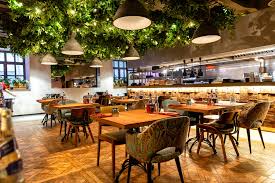
Cafés now focus on creating immersive atmospheres where every detail engages the senses. From the earthy aroma of freshly ground coffee to the tactile feel of handcrafted mugs, sensory design has become a central component of café innovation. Lighting plays a crucial role—warm hues encourage comfort, while cooler tones suit minimalistic, futuristic cafés. The goal is to make the visitor’s surroundings an extension of the beverage they consume. For instance, botanical cafés use lush greenery, floral-infused drinks, and nature-inspired décor to amplify a sense of calm and freshness.
3. Beyond Coffee: Diversifying the Drink Menu
Experiential cafés are breaking free from the coffee monopoly by offering an eclectic mix of beverages designed to surprise and delight. Specialty tea lounges, botanical drink bars, and fermented drink cafés are on the rise. These establishments often introduce consumers to unfamiliar tastes—like hibiscus kombucha, lavender cold brews, or nitro-infused teas. The emphasis is on curated diversity rather than volume. Each drink is crafted to embody a mood or season, reflecting the café’s creative identity and ensuring that customers return for more than caffeine—they return for curiosity.
The Experience Economy Meets the Café Scene
1. Personalization Through Data and Design
Personalization is becoming the hallmark of experiential cafés. Technology and data are leveraged to tailor drink recommendations, seating preferences, and even lighting moods based on customer behavior. Some cafés now use QR-based profiles that store taste preferences and suggest beverages that match individual moods or times of day. This not only enhances customer satisfaction but also turns visits into personalized rituals, fostering a sense of belonging.
2. Multi-Sensory Storytelling and Augmented Experiences
The fusion of digital and physical experiences is shaping a new dimension in the café world. Augmented reality (AR) menus, interactive brewing stations, and projection mapping are being integrated to tell visual stories about the drinks being served. Imagine scanning a coffee cup and watching a short film about the farmer who grew its beans or the roasting journey that shaped its flavor profile. These multi-sensory interactions deepen customer engagement and make the café experience more memorable than ever.
3. Thematic Cafés as Cultural Spaces
Cafés are no longer just businesses—they’ve become cultural statements. From literature-inspired spaces to cinematic-themed lounges, thematic cafés immerse visitors in curated worlds that reflect art, nostalgia, or imagination. A Harry Potter-themed café might serve butterbeer lattes and spell-inspired desserts, while a minimalist Japanese café focuses on Zen aesthetics and tea ceremonies. These spaces tap into cultural escapism, allowing visitors to momentarily step into another world without leaving their city.
Sustainability as an Experience
1. Ethical Consumption and Transparency
The modern café customer is highly conscious of sustainability. Experiential cafés leverage this awareness by making the sourcing and preparation process part of the customer experience. Transparent supply chains, compostable packaging, and zero-waste brewing techniques are showcased as integral aspects of the brand identity. For example, cafés that roast on-site or display bean origin maps encourage customers to appreciate the ethical journey behind every drink.
2. Regenerative Café Design
Sustainability now extends beyond ingredients to architectural design. Cafés are integrating eco-conscious materials, solar-powered roasting systems, and plant-based interiors to create environmentally mindful atmospheres. Many adopt biophilic design, blending natural light, greenery, and wood textures to evoke harmony and well-being. These efforts not only appeal to eco-aware consumers but also transform environmental responsibility into a sensory and emotional experience.
The Rise of Hybrid Café Experiences
1. Café as a Creative Hub
The role of cafés has expanded beyond relaxation to inspiration. Many experiential cafés now host creative workshops, art exhibitions, or micro-performances, fostering a community of artists, writers, and innovators. The boundary between workspace and leisure space blurs, making cafés hybrid zones of creativity. Customers aren’t just visitors—they’re participants in a living, evolving experience.
2. Virtual and Remote Café Concepts
As digital connectivity grows, some cafés have launched virtual café experiences—digital platforms where patrons can connect with baristas, order specialty drinks, or join brewing classes from home. These innovations extend the café’s identity beyond its physical walls, building global communities around shared beverage culture. It’s a powerful fusion of technology, hospitality, and human connection.
3. Experiential Pairings: Drinks, Music, and Mood
Some cafés curate experiences that align music, lighting, and flavor profiles to evoke specific moods. For instance, a café may design a playlist that complements the bitterness of an espresso or the serenity of a jasmine tea. These cross-sensory pairings create harmony between taste and ambiance, elevating the overall perception of the drink. It’s a practice rooted in synesthetic design—crafting multi-layered sensory experiences that transcend traditional hospitality.
The Future of Café & Drink Innovation
The experiential café movement is setting the stage for the next frontier of beverage innovation. Future cafés are likely to merge biotechnology, AI, and sustainability to offer ultra-personalized drinks that adapt to a person’s health metrics, weather conditions, or emotional state. Imagine a café that recommends a magnesium-infused latte for relaxation after a stressful day or a probiotic kombucha blend for digestive wellness. These advances will redefine how consumers perceive both cafés and the act of drinking itself—not as consumption, but as conscious participation in a sensory narrative.
Conclusion: From Brewing to Belonging
Experiential cafés represent a cultural evolution—where drinks transcend function and become symbols of identity, creativity, and connection. They’re not just reshaping how beverages are served; they’re redefining how people interact with flavor, space, and story. As the café industry continues to blend art, technology, and ethics, one truth becomes clear: the future of cafés isn’t just about what’s in the cup—it’s about the world that cup creates around you.
Frequently Asked Questions (FAQs)
1. What defines an experiential café?
An experiential café is designed to engage all the senses through immersive design, storytelling, and curated beverage experiences that go beyond traditional coffee service.
2. How do experiential cafés differ from regular cafés?
While regular cafés focus on convenience and service, experiential cafés emphasize emotional engagement, aesthetic ambience, and personalized drink experiences.
3. Why is sustainability important in modern cafés?
Sustainability enhances transparency, supports ethical sourcing, and aligns with the values of eco-conscious consumers who prefer responsible brands.
4. Are experiential cafés only for coffee lovers?
Not at all. Many offer diverse drinks such as botanical infusions, herbal teas, fermented beverages, and artisanal mocktails that cater to various tastes.
5. What role does technology play in the café experience?
Technology enables personalized menus, AR storytelling, and digital interactions that enhance engagement and convenience.
6. How do cafés use sensory design to influence customer emotions?
Through lighting, scent, sound, and texture, cafés create emotional environments that align with their drinks’ character and theme.
7. What trends can we expect in the next generation of cafés?
Future cafés will focus on AI-powered personalization, health-focused drink innovation, and hybrid physical-digital experiences that redefine beverage culture.