

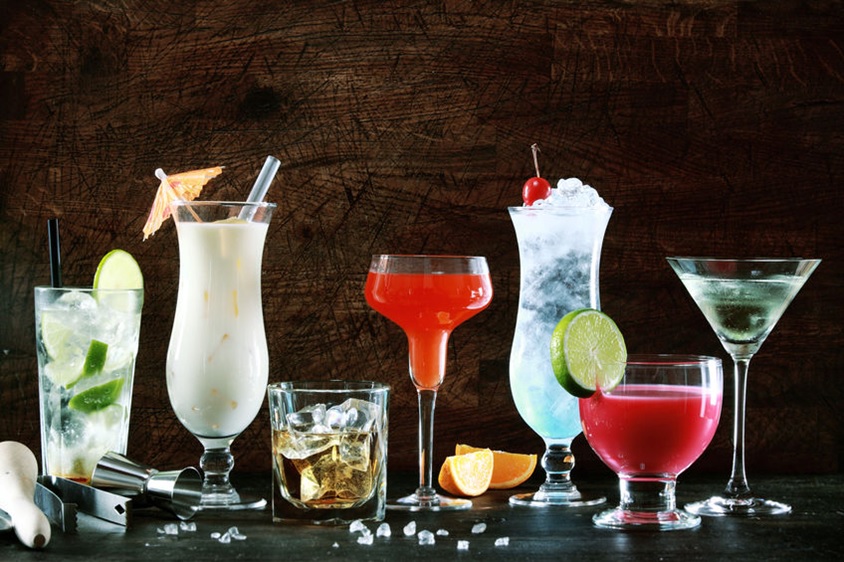
Who does not enjoy a delicious, well-made cocktail? There is just something savory about the confluence of technique, unique ingredients, and the balancing act of spirits that make truly memorable cocktails. There is no better place to explore the most special cocktails than Rémy Martin cocktails, which are home to truly exotic flavor combinations. This guide will take you through global influences, key flavor-building blocks, techniques, and how to try these ideas at home.
The Art of Drink Mixing
If you want to explore ready recipes, sampling a curated list of drinks can help you find a style you like. Then, modify that recipe to make it yours.
Tropical and Fruit-forward Inspirations
Many exotic cocktails start with flavorful fruits, like pineapple, guava, and mango. These fruits are bold and add brightness and a strong aroma. Bartenders often pair them with aged spirits. That combination usually results in a drink that has depth with a hint of sweetness but also structure. Notice how there is often a slice of citrus, like lime or lemon, in a cocktail? That brings an acidic kick or lift.
Here are some tips to elevate your cocktail game: A dash of bitter or herbal notes also keeps the drink from tasting flat. When you work with fruit, always taste as you go, and always use fresh fruit. Fresh juice beats pre-made mixes. Most importantly, use quality spirits as the backbone. A complex whisky will already have a multidimensional flavor, like oak, spice, or vanilla. Those flavors help to deepen and round out the cocktail.
The World of Spices, Herbs, And Aromatics
Cuisines often influence exotic drinks. A cocktail is a good way to “taste” different places. In Southeast Asia, popular flavor enhancers include lemongrass and kaffir lime. If you want to invoke India, think of cardamom or tamarind. Both spices are really good in cocktails, adding mild tang and complexity. North African profiles would lean more towards floral elements, like orange blossom or rose water.
In addition, a light heat is not out of place in a cocktail. Spice from pepper or chili wakes up the palate and makes the other flavors more noticeable. These aromatics work best in small amounts, so they should support, not dominate. When building an exotic cocktail, think of balance first, then color and aroma.
Techniques That Transform Flavors
Beyond just the ingredients used, how you mix a drink also influences its character. Any halfway decent bartender knows the basics of how to mix a drink to get specific results. Shaking with ice leads to a rich, frothy texture. Stirring slowly adds a smooth silkiness. Fat-washing adds savory depth by infusing spirit with butter or coconut. Clarification techniques, like using milk or agar, create clean, flowy textures with intense flavor. Smoke and char give a sense of theater and depth. The key is to use a technique with purpose. Ask what the method will add. As was said previously, cocktail mixing is a science, and each method creates a really. The question should be about which technique is the proper technique to achieve a desired result.
Balancing Sweet, Sour, And Bitter
Exotic does not always mean sweet. The most interesting drinks use contrast. Sweet elements need to be balanced with acid to keep the drink lively. Bitter or tannic notes develop the flavor profile while salt or savory elements sharpen it. A small pinch of salt can also make citrus more pronounced. It is essential to taste at every stage and adjust with minor additions. A skilled bartender tastes and tweaks until the drink is perfect, then they learn to serve it that way every time through practice. That is why they are never seen testing their creations at the bar.
Garnish, Presentation, And Ritual
It is not too far-fetched to say that the way a cocktail looks is nearly as important as how it tastes. More to that, how it looks while being made is also part of the experience. For presentation, exotic cocktails often include a strong visual cue. Typical cues could be charred citrus peel, edible flower, or a sprig of herb. Some drinks arrive with a puff of smoke. Rituals matter too, from as simple as the shaking motion during mixing to how the drink is poured. These touches deepen the experience and make the drink feel special.
How To Recreate Exotic Drinks At Home
Start with one idea and keep it simple. Pick a fruit or spice you enjoy, then choose one quality spirit. Use fresh juice and make one or two garnishing choices. Learn one new technique, like muddling or using a flamed peel. Taste and keep notes. Adjust ratios until the drink fits your palate. When you combine technique, fresh produce, and careful balance, the result can be a drink that surprises and refreshes.