

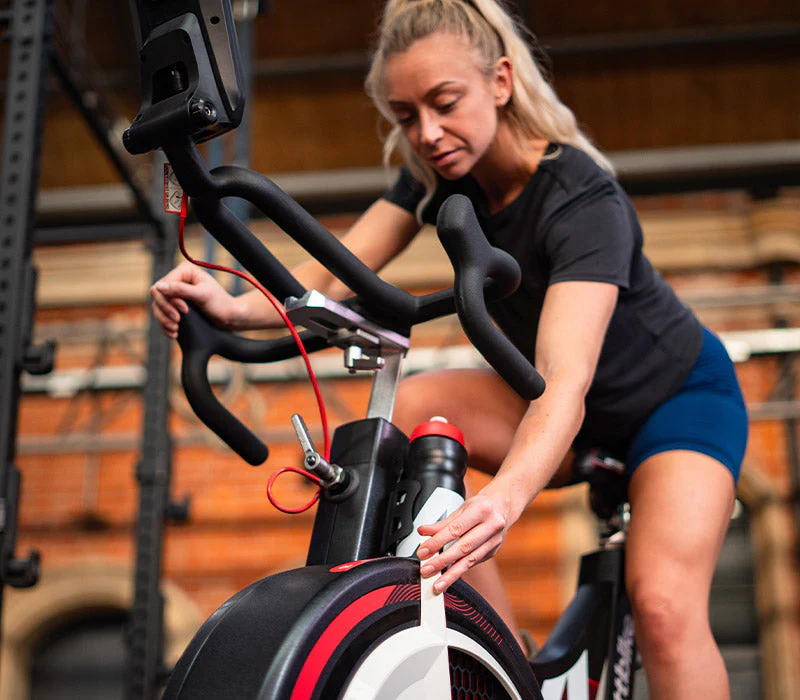
Indoor cycling is an energetic workout, and food choices can strongly affect how the session feels. Eat too much before class and the ride may feel uncomfortable. Eat too little and energy may drop halfway through. Anyone attending indoor cycling singapore classes should think about nutrition as part of performance, recovery and consistency.
Good workout nutrition does not need to be complicated. It needs to provide energy before class, support recovery afterwards and fit the person’s schedule.
Why Pre-Class Fuel Matters
Indoor cycling can include climbs, sprints, resistance work and steady endurance sections. The body needs fuel to handle this effort.
Carbohydrates are especially useful before cardio because they provide accessible energy. Protein can also help keep the meal balanced, but heavy fats or very large portions may feel uncomfortable before cycling.
The goal is to start class feeling light but energised.
What to Eat Two to Three Hours Before Class
If there is enough time before class, a balanced meal works well. Options may include rice with lean protein and vegetables, oats with fruit, eggs with toast, chicken with potatoes, or tofu with noodles.
These meals provide a mix of carbohydrates and protein. They support energy without being too heavy when timed properly.
The exact portion depends on the person, class intensity and digestion.
What to Eat When Class Is Soon
If class starts within thirty to sixty minutes, a smaller snack is usually better. A banana, yoghurt, toast, small smoothie or fruit can provide quick energy.
The snack should be easy to digest. Heavy, oily or spicy foods may not feel good during a ride.
People should avoid trying unfamiliar foods right before class. A cycling session is not the best time to test digestion.
Hydration Before and During Class
Hydration matters because indoor cycling can lead to heavy sweating. In Singapore, even indoor environments can feel intense.
Riders should drink water steadily through the day. Drinking too much immediately before class may feel uncomfortable, so steady hydration is better.
During class, small sips can help. After class, water or electrolytes may be useful depending on sweat level.
Post-Ride Recovery Meals
After a cycling class, the body needs protein, carbohydrates and fluids. Protein supports muscle repair. Carbohydrates help restore energy. Fluids replace what was lost through sweat.
Good options include chicken rice with vegetables, tofu noodles, eggs with toast, Greek yoghurt with fruit, fish with potatoes or a smoothie with protein and oats.
The meal should support recovery without becoming an excuse for uncontrolled overeating.
Common Food Mistakes
One common mistake is skipping food all day, then trying to perform in class. Another is eating a heavy meal too close to the ride. Some people also overuse sugary drinks or snacks when a balanced meal would work better.
Another mistake is rewarding every workout with excessive food. Enjoying meals is fine, but the overall pattern should match fitness goals.
Food should help the workout, not cancel it out.
Evening Class Meal Planning
Many people attend indoor cycling after work. In this case, lunch may be too far away and dinner before class may be too heavy.
A smart option is a light afternoon snack, then dinner after class. This keeps energy stable and makes the ride more comfortable.
Planning ahead prevents last-minute poor choices.
Real-Life FAQs
Q. Can I do indoor cycling on an empty stomach?
Ans. Some people can, but many perform better with a light snack, especially for evening or high-intensity classes.
Q. What should I avoid before class?
Ans. Very heavy, oily, spicy or large meals may feel uncomfortable during cycling.
Q. Do I need a sports drink?
Ans. Not always. Water is enough for many sessions, but electrolytes may help if you sweat heavily.