

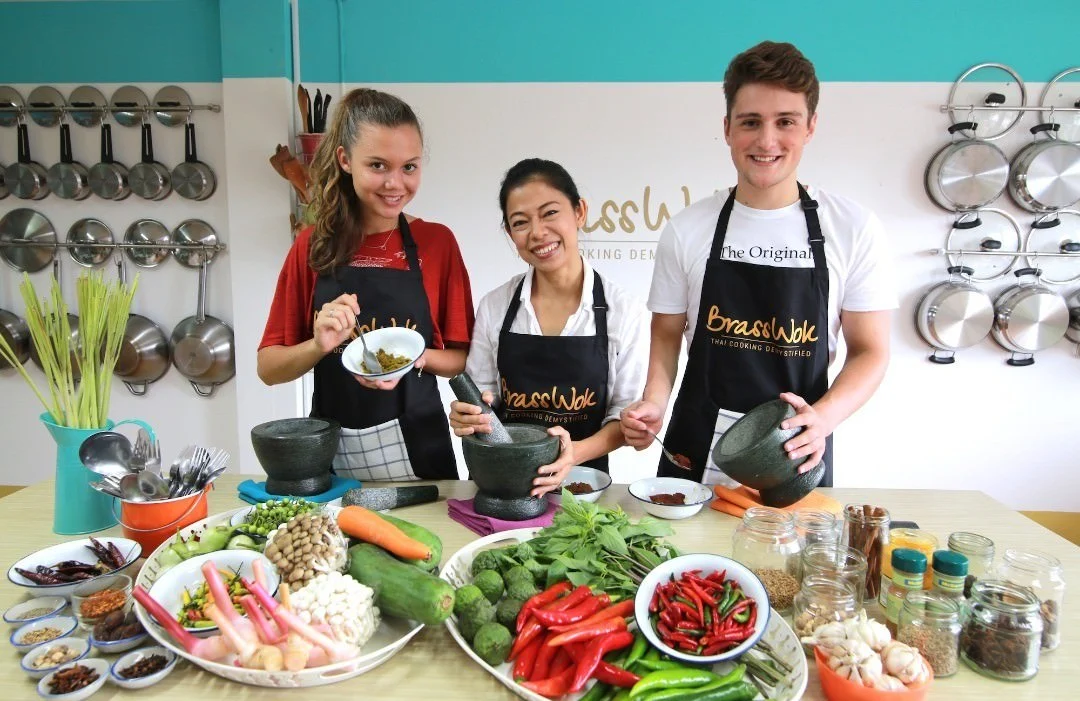
Recipes rarely explain why a dish exists, only how to reproduce it. Measurements, timings, and ingredients capture technique but miss the deeper context of tradition, geography, and daily life. That is why many travellers who join a Thai cooking class in Phuket discover that the real education happens not at the stove, but in the conversations and small observations that surround the cooking process.
The act of preparing food slows attention. Hands engage with texture, scent, and temperature in ways that sharpen awareness. Chopping herbs releases oils, balancing flavours requires tasting rather than guessing, and heat control becomes an exercise in patience. These sensory cues reveal how local cooks read ingredients intuitively rather than relying solely on written instruction.
Understanding develops gradually. Participants begin to notice how sweetness offsets spice, how acidity brightens richness, and how texture creates balance. These patterns reflect broader cultural preferences around harmony rather than dominance of any single flavour.
Markets as Classrooms Without Walls
Ingredients tell stories long before they reach the pan. Visiting local markets introduces seasonal variation, unfamiliar produce, and regional sourcing practices. Colours, smells, and vendor interactions reveal how food connects directly to agriculture, climate, and community economics.
Learning which ingredients substitute for one another and which remain essential teaches flexibility within tradition. Recipes evolve based on availability rather than rigid rules.
Technique as Cultural Expression
Cooking methods often mirror cultural values. Slow simmering reflects patience and care. Quick stir-frying demonstrates efficiency and timing. Layered seasoning highlights attentiveness to balance.
Students absorb these rhythms subconsciously. The kitchen becomes a space where cultural priorities translate into physical movement and sequencing rather than abstract explanation.
Social Dynamics Around Food Preparation
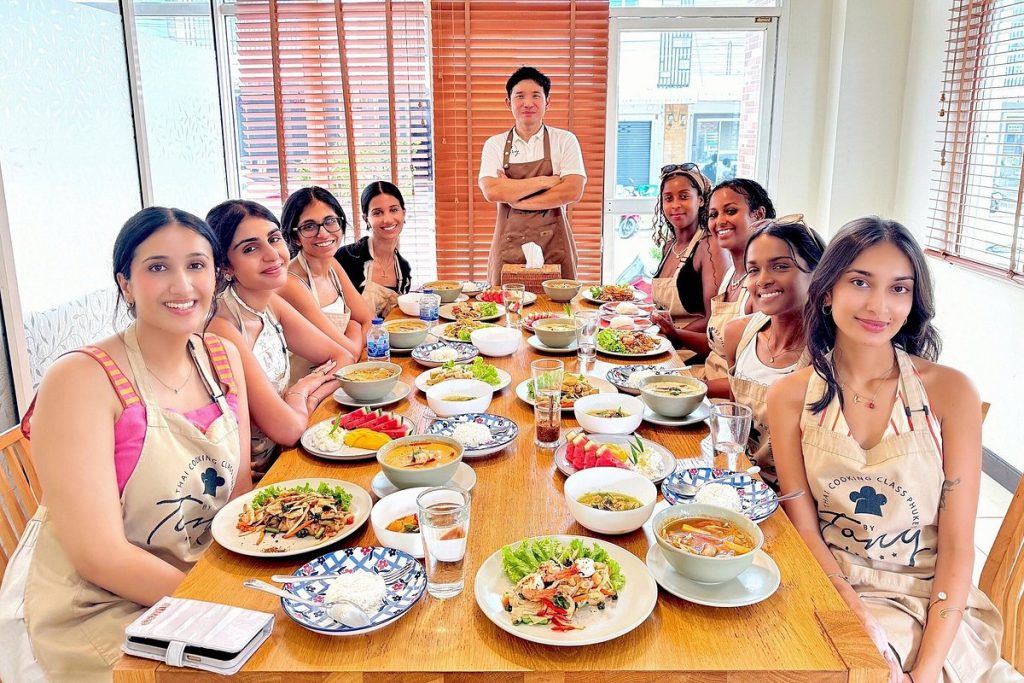
Shared cooking breaks down formality quickly. Participants collaborate, negotiate space, and exchange small successes and mistakes. Language barriers soften when gestures and shared goals take precedence.
Humour often emerges through imperfect results, reinforcing learning without pressure.
Carrying Skills Beyond the Trip
The most lasting impact often appears later, when participants recreate dishes at home. Memory recalls not just flavours, but moments of interaction, laughter, and discovery.
Cooking becomes a personal bridge between cultures rather than a static souvenir.
Food education rooted in experience encourages respect rather than imitation. Understanding emerges through doing, tasting, adjusting, and sharing, allowing culture to be learned through participation rather than observation alone.